How to Wear Bold Pieces When You Genuinely Hate the Weight of Heavy jewellery

July 6, 2026

How to Wear Bold Pieces When You Genuinely Hate the Weight of Heavy jewellery

You love statement jewellery. You just don't love what it does to your ears by hour two. It's a familiar cycle -you fall for a dramatic chandbali or an oversized cuff, wear it once, and spend the rest of the evening rubbing your earlobes and wishing you'd left it at home. Here's the good news: "big" and "heavy" were never actually the same thing. Modern jewellery engineering has quietly solved this exact problem, using hollow-core metals, resin backings, and featherlight brass bases to deliver a massive look without the physical discomfort. This is the whole idea behind lightweight statement jewellery -pieces that command a room and disappear on your body at the same time. This guide walks through how that illusion is built, how to shop for it online, and which categories give you the most drama for the least weight.

The Biggest Myth – Bigger Jewellery Doesn't Have to Be Heavier

Most of us were trained to equate weight with quality. If a necklace feels substantial in your hand, it feels expensive. If earrings float like paper, some instinct whispers that they must be cheap. Decades ago, that link made sense -more metal usually meant more craftsmanship. But that association has quietly broken down, and premium brands know it.


Instead of relying on mass, designers now build volume through shape. A chandbali can look three inches wide and dominate an outfit while weighing a fraction of a smaller, solid piece. This is precisely the promise of lightweight statement jewellery: large, eye-catching silhouettes built using construction methods that hollow out unnecessary bulk while keeping every bit of visual impact intact.


This is where the idea of visual weight versus physical weight becomes useful. Visual weight comes from size, shine, and how much space a piece occupies. Physical weight is just what the scale reads. Well-engineered jewellery maximizes the first while minimizing the second -and once you understand that difference, a whole category of "big but light" pieces opens up.

The Design Hacks That Make Jewellery Feel Weightless

So how is this illusion actually engineered? A handful of construction techniques do most of the heavy lifting -pun intended:


  • Hollow-core construction -the piece is built as a shell rather than a solid block, keeping the outer shape intact while removing dead weight from the inside.
  • Open filigree work -intricate cut-out patterns replace solid metal surfaces, creating an ornate, detailed look using far less material.
  • Resin or acrylic backings -these mimic the look of solid metal-set stones while weighing noticeably less.
  • Featherlight brass bases -thinner-gauge brass, shaped correctly, holds its structure without the density of older, thicker alloys.
  • Aluminium alloys -naturally lighter than brass or copper, increasingly used for oversized pieces that would otherwise be unwearable.
  • Laser-cut metal sheets -precision cutting allows large, decorative shapes from thin sheet metal instead of dense cast pieces.
  • Stone placement that reduces density -clustering stones toward the outer edge keeps a piece visually rich without adding unnecessary grams.


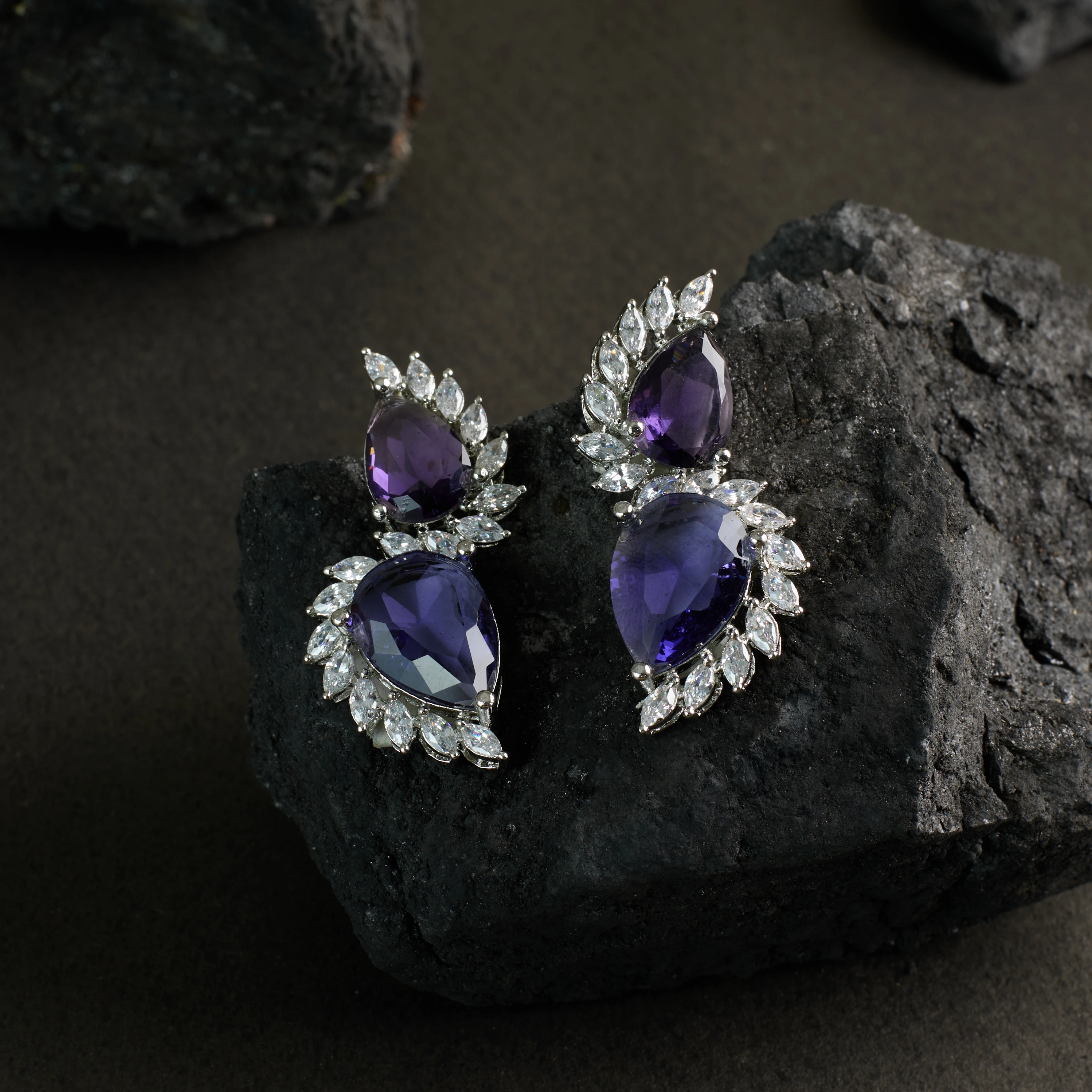
Together, these techniques produce comfortable heavy look earrings that read as bold from across a room but sit almost weightlessly on the ear, and a weightless artificial chandbali that swings and catches the light exactly like its heavier cousin -minus the sore lobe by the end of the night.

How to Spot Lightweight Jewellery Before Buying Online

Shopping for jewellery online means you can't hold the piece before committing, but a few habits go a long way toward avoiding a heavier-than-expected surprise:


  • Look for side-angle images. A side view reveals thickness far better than a flat, front-facing shot.
  • Check thickness, not just width. A wide piece can still be thin and light -it's the depth that usually signals weight.
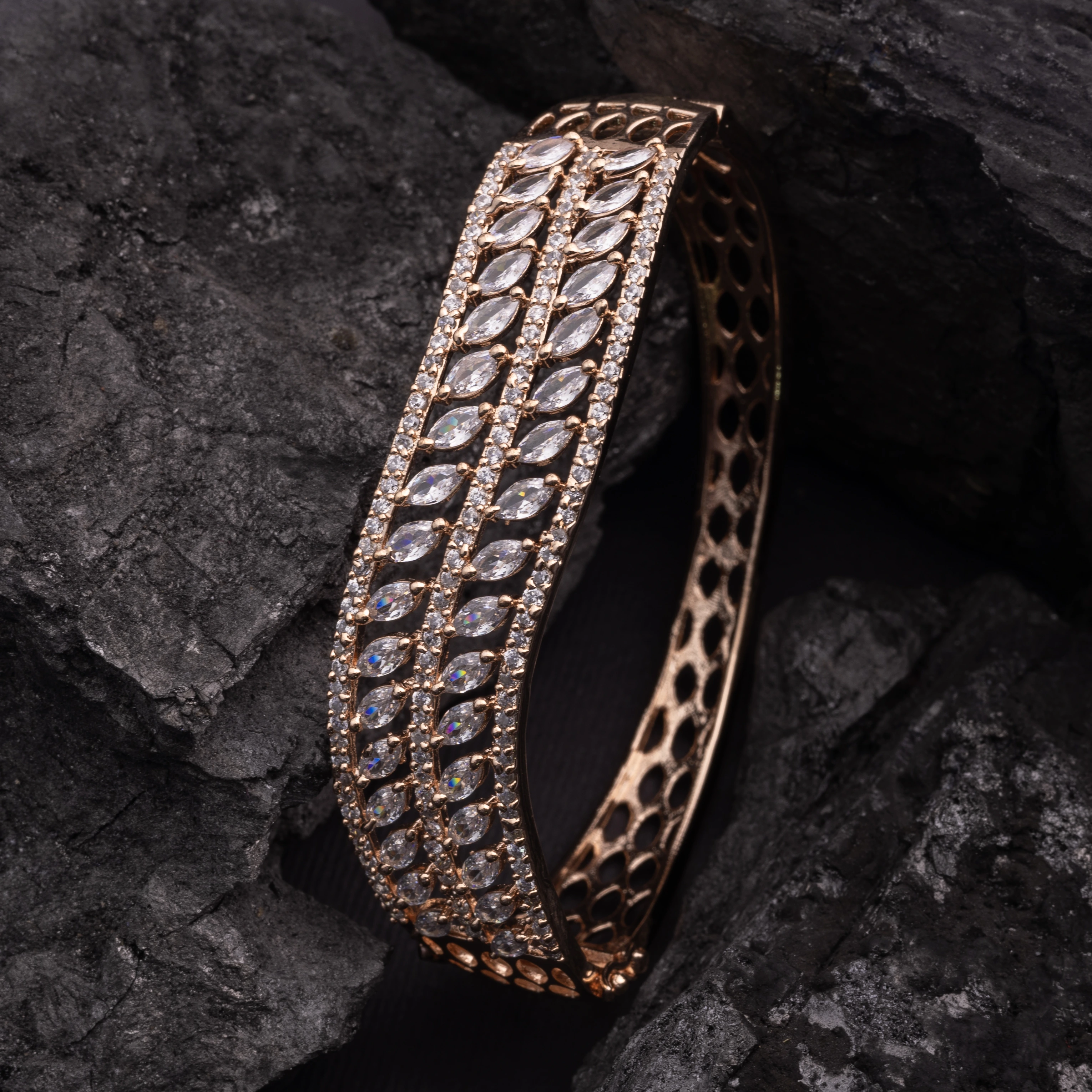
  • Compare hollow backs vs. solid backs. If the listing shows the reverse side, an open or hollowed-out back is a strong sign of lighter construction.
  • Read material descriptions carefully. Words like aluminium, laser-cut, or hollow-core are good indicators; "solid brass" or "cast metal" usually means heavier.
  • Watch product videos when available. Movement is telling -lightweight pieces sway and bounce differently than dense ones.
  • Check listed weight specifications, if provided, and compare against similar pieces you already own.
  • Model images reveal scale better than catalogue shots. Seeing a piece on an actual ear or neckline tells you more about proportion and drop than a flat product photo ever will.


Getting comfortable with these checks is how you end up owning big earrings that don't hurt, instead of ones that look great in a listing photo and painful by the second hour of wear.

Best Lightweight Pieces That Give Maximum Drama

Certain jewellery categories are especially suited to lightweight construction, because their shapes naturally lend themselves to hollow or open builds:


  • Weightless artificial chandbali -the traditional half-moon shape is ideal for hollow-core building, delivering the full silhouette without the traditional weight.
  • Large hoops -a hoop is essentially a ring of metal, meaning much of its size is empty space by design.
  • Openwork chandbalis -intricate cut patterns add visual texture while removing material at the same time.
  • Mesh earrings -the woven, net-like structure creates volume using minimal actual metal.
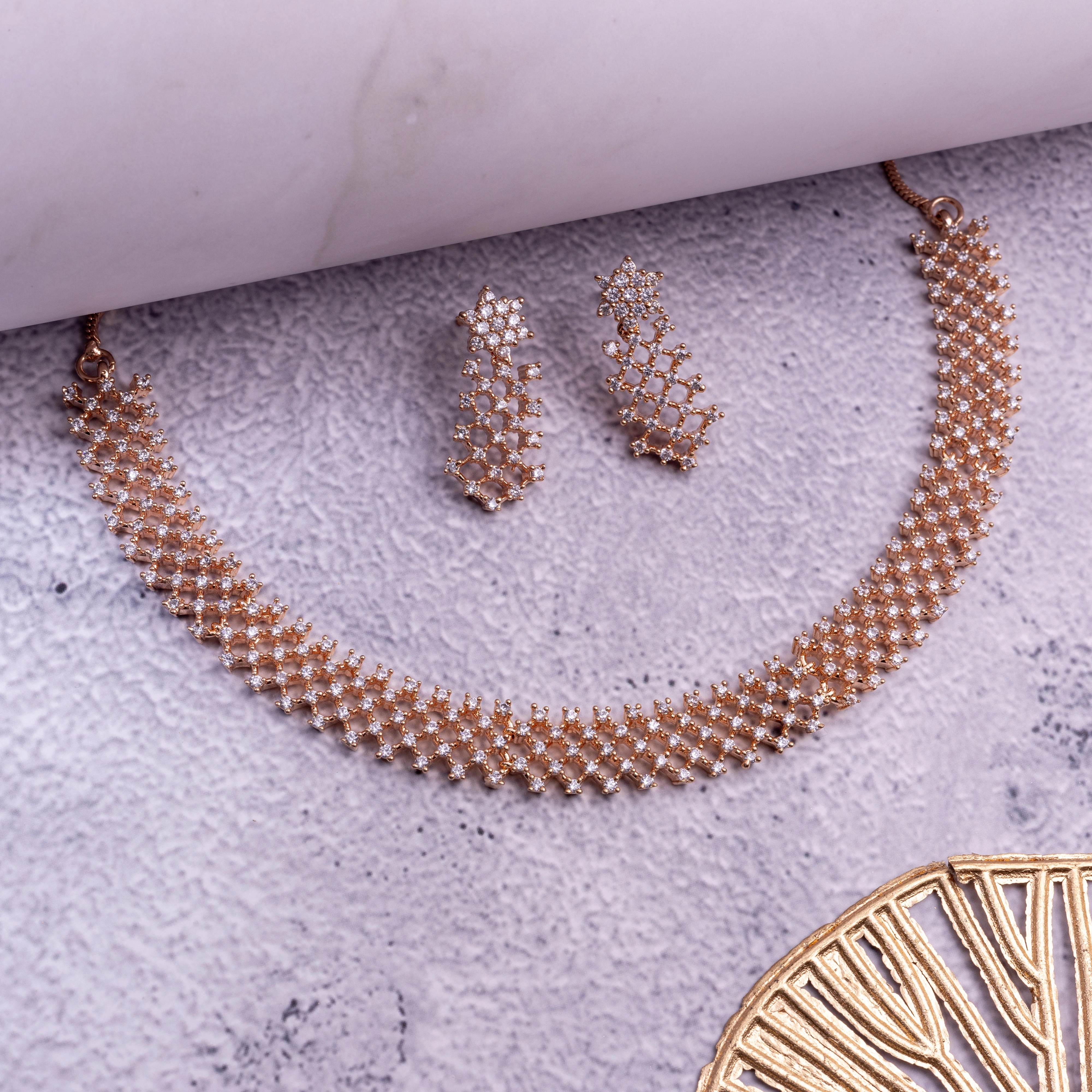
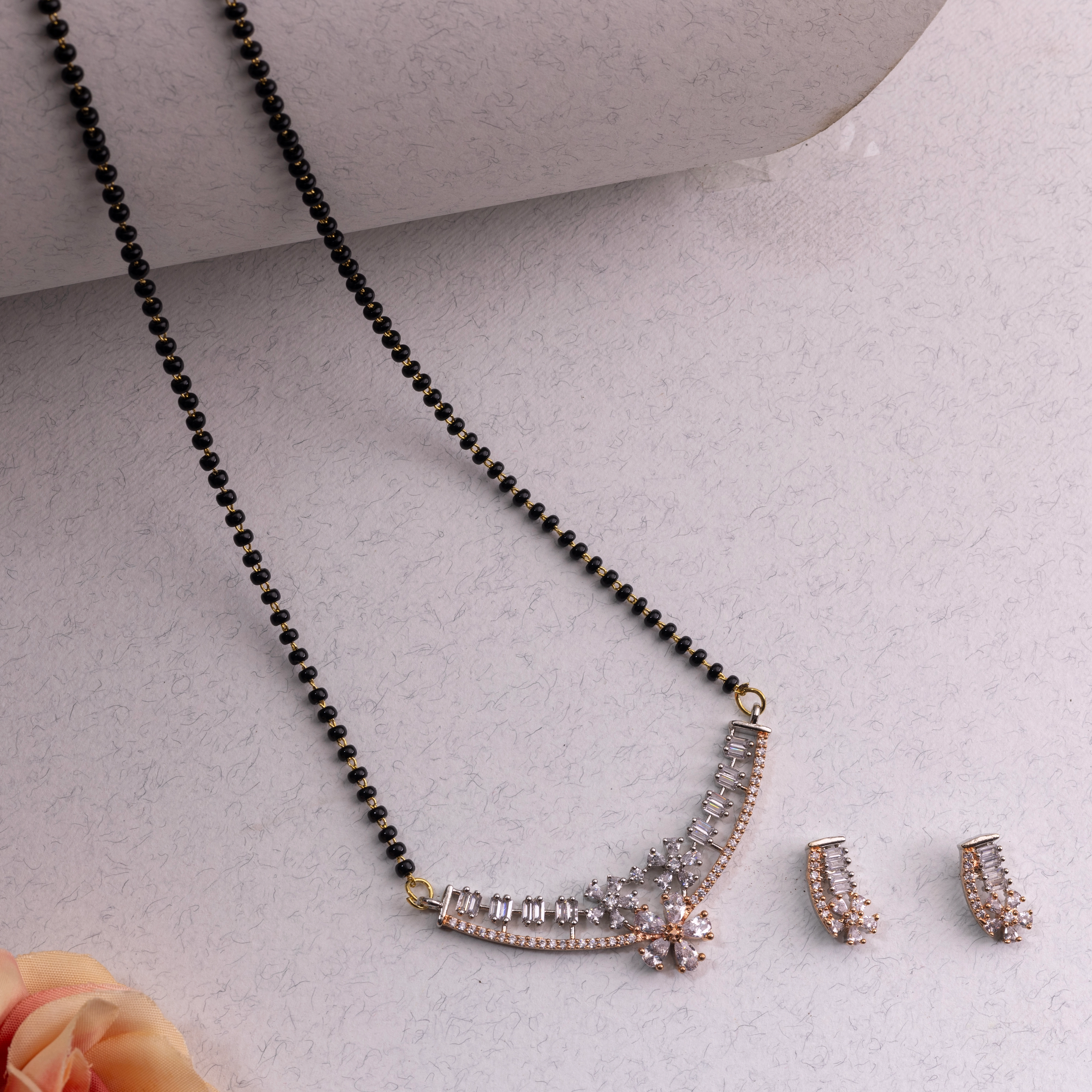
  • Layered lightweight imitation necklace sets -several thin chains layered together create more visual richness than one thick chain, at a much lower combined weight.
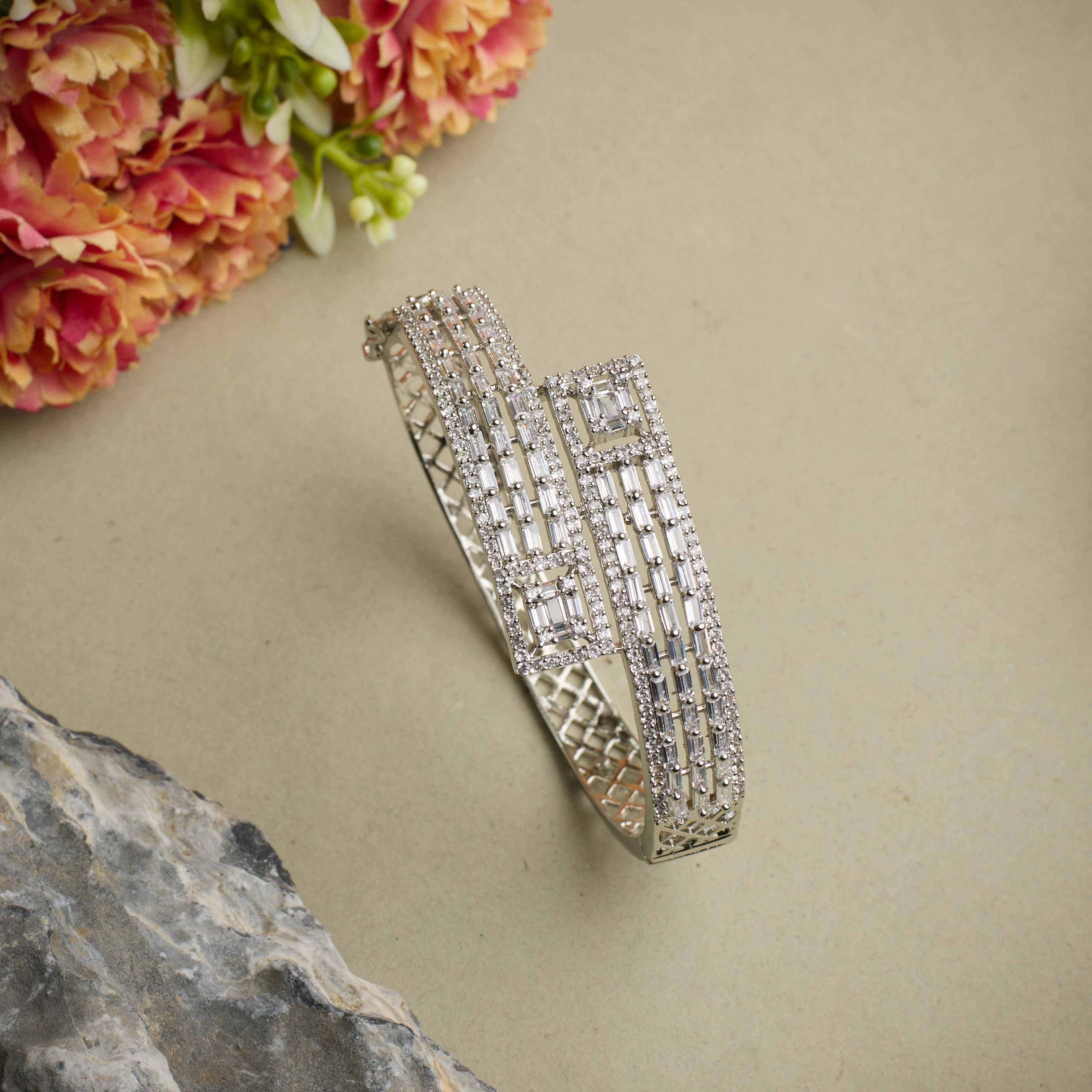
  • Hollow cuffs -a wide cuff built as a shell rather than a solid band gives the bold wrist statement without the drag.
  • Filigree necklaces -lace-like metalwork means the piece is mostly negative space, keeping it light while looking incredibly detailed.


Each of these proves the same point: drama and scale don't require density. With the right construction, lightweight statement jewellery and maximum visual impact aren't a trade-off at all.

Styling Tricks That Make Jewellery Look Bigger Without Wearing Bigger Jewellery

Sometimes the smartest move isn't buying a bigger piece -it's styling what you already own to read as bolder:


  • Layer two or three delicate chains instead of reaching for one chunky necklace. The layered effect reads as elaborate while staying light.
  • Stack slim bangles rather than wearing a single thick kada, for movement, sound, and visual fullness.
  • Pair statement earrings with a sleek hairstyle, like a low bun or slicked-back look, so nothing competes with the earrings for attention.
  • Match jewellery colour to your outfit's embroidery to create the illusion of a fuller, more integrated look.
  • Use your neckline strategically -a piece worn just above a deep or boat neckline reads larger than the same piece worn with a high neckline.
  • Balance one bold piece with minimal supporting jewellery, so the statement piece gets the full visual real estate instead of competing for attention.

Conclusion

Heavy-looking jewellery is meant to turn heads, not wear you down by the end of the evening. Comfort and confidence go hand in hand -a piece you keep adjusting or wanting to remove undercuts the very impact it's supposed to create. That's the real value of lightweight statement jewellery: it lets you wear big earrings that don't hurt and still walk into a room with maximum drama. The best statement piece, heavy-looking or not, is the one you forget you're even wearing.


Quick Reference: What Looks Heavy vs. What's Actually Lightweight

Looks Heavy

Actually Lightweight Because...

Chandbalis

Hollow construction

Layered Necklace

Thin chains create volume

Chunky Hoops

Hollow tube design

Statement Cuffs

Open-back construction

Filigree Necklace

More air than metal